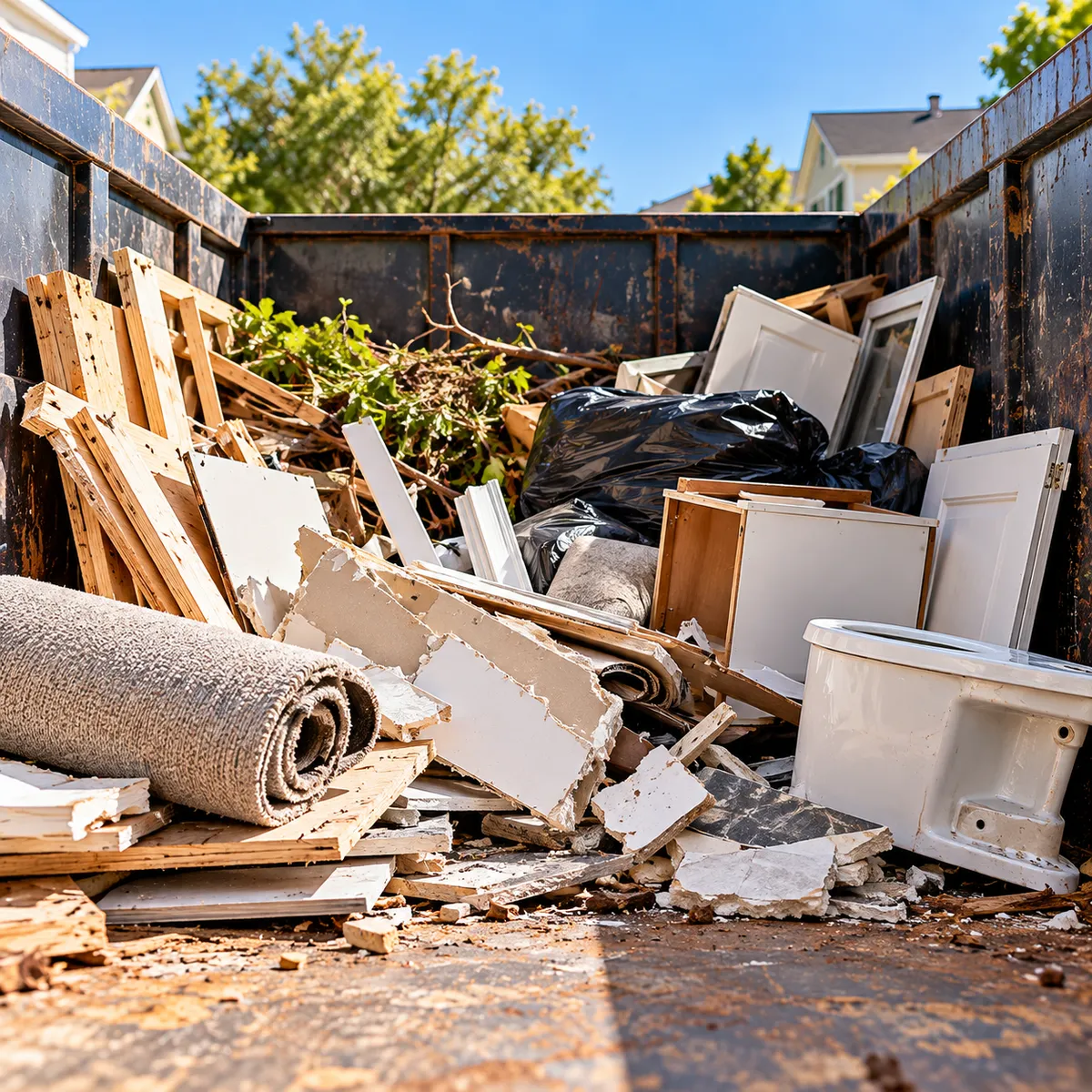
What Can You Put in a Roll-Off Dumpster?
Not sure what you can throw in a rental dumpster? You're not alone. Whether you're cleaning out a garage, renovating your home, replacing a roof, or managing construction debris, knowing what's allowed in a roll-off dumpster can save you time, money, and unnecessary headaches.
While roll-off dumpsters are designed to handle many types of household junk and construction waste, not everything belongs in one. Certain materials are restricted because of safety concerns, environmental regulations, disposal facility requirements, or additional handling costs.
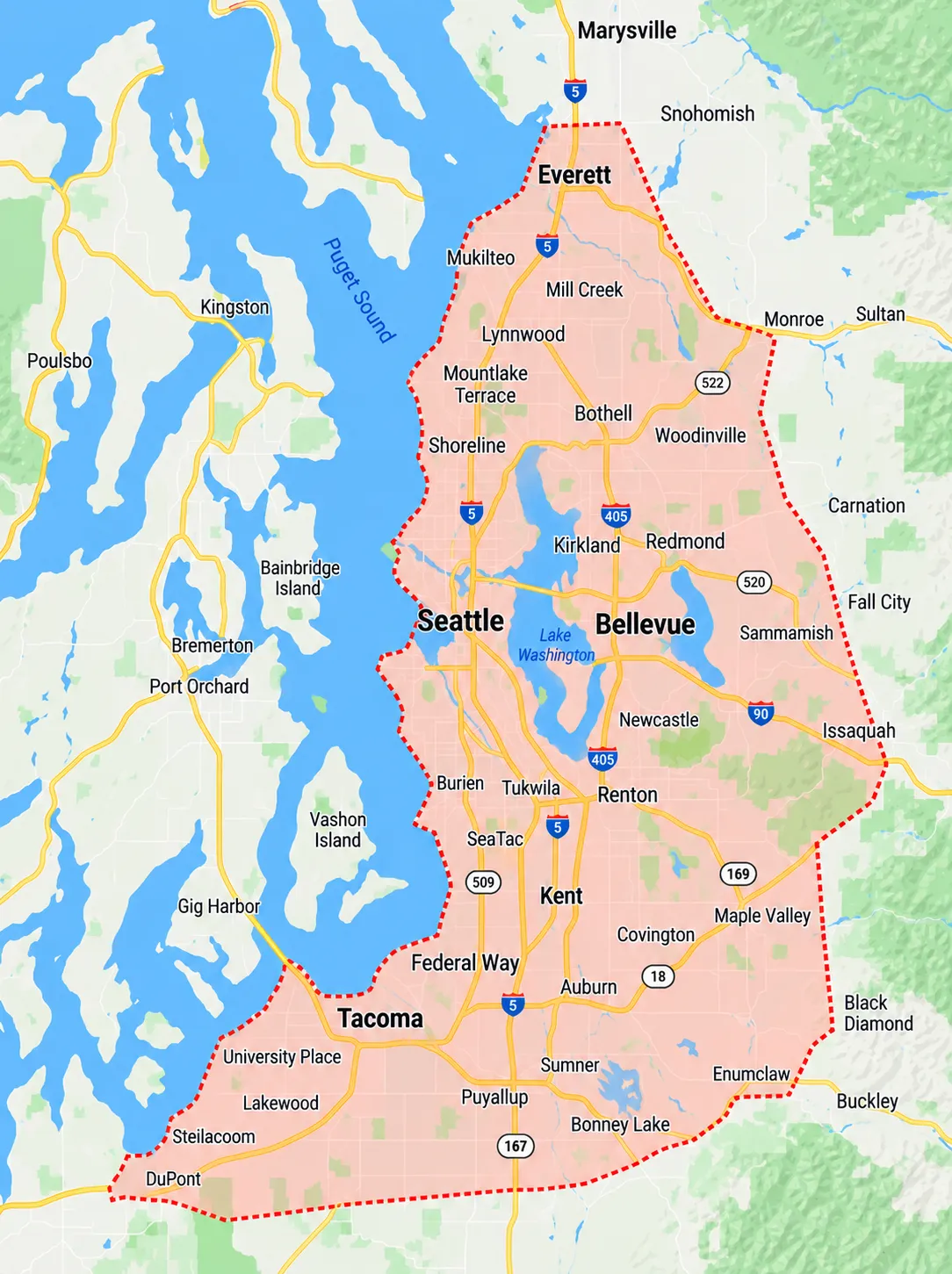
At A1 Dumpster Rental LLC, we provide convenient 15-yard and 20-yard roll-off dumpster rentals throughout Seattle, Kent, Bellevue, Tacoma, Everett, and surrounding Washington communities.
In this guide, we'll cover what you can typically put in a dumpster, which items are commonly prohibited, and how to prepare for a hassle-free rental.
What Can You Put in a Roll-Off Dumpster?
Most roll-off dumpsters can accommodate a variety of non-hazardous household junk, remodeling debris, and construction materials, provided those items are accepted by the rental company and disposal facility.
Here's a quick overview:
Material | Typically Accepted? |
|---|---|
Household clutter and general junk | Usually |
Wood and lumber | Usually |
Drywall and plaster | Usually, with restrictions |
Cabinets and countertops | Often |
Furniture | Often, depending on material |
Flooring and carpet | Usually |
Roofing shingles | Often, subject to weight limits |
Cardboard and packaging | Usually |
Yard waste | Depends on local disposal rules |
Concrete, bricks, and dirt | Requires approval |
Mattresses | May require special handling |
Appliances | Depends on type and disposal requirements |
Tires | Commonly restricted |
Paint, solvents, and chemicals | Generally prohibited |
Batteries | Generally prohibited |
Propane tanks and fuel containers | Generally prohibited |
Important: This chart describes common industry practices, not A1's confirmed acceptance policy. Always verify your specific materials with A1 Dumpster Rental LLC before loading.
1. Household Junk and General Cleanout Debris
One of the most common reasons people rent a dumpster is to clear out unwanted household items.
If you're decluttering, moving, preparing a property for sale, or tackling an estate cleanout, a roll-off dumpster can make managing debris much easier.
Common household materials that may be accepted include:
Old shelving and cabinets
Boxes and cardboard
Non-hazardous household clutter
Broken household items
Wood furniture
Rugs and carpeting
General garage and basement debris
Instead of making repeated trips to the landfill, you can keep approved waste in one container until pickup.
Can You Put Furniture in a Dumpster?
Many types of furniture are accepted in roll-off dumpsters, but the rules depend on the materials and local disposal requirements.
Wooden tables, chairs, shelving, and cabinets are commonly accepted. Upholstered furniture, mattresses, and certain specialty items may have additional restrictions or disposal fees.
If you're planning a large furniture cleanout, confirm the accepted items before scheduling your rental.
2. Construction and Remodeling Debris
Planning a kitchen renovation, bathroom remodel, or construction project?
Roll-off dumpsters are commonly used to contain construction debris and keep job sites organized.
Materials that are often accepted include:
Drywall
Lumber and wood scraps
Cabinets
Trim and molding
Flooring
Doors
Non-hazardous construction debris
Certain demolition materials
Whether you're a homeowner tackling a renovation or a contractor managing a job site, having a dumpster nearby can make debris disposal more convenient.
Can You Put Drywall in a Dumpster?
Drywall is commonly accepted in construction dumpsters, although local disposal rules and contamination restrictions may apply.
Older building materials may also require special evaluation before disposal, particularly if asbestos or other hazardous substances are suspected.
Never place suspected asbestos-containing materials into a general rental dumpster without confirming the proper handling requirements.
Can You Put Wood in a Dumpster?
Untreated lumber, plywood, and many ordinary wood scraps are commonly accepted.
However, treated wood, railroad ties, and certain chemically preserved materials may have special disposal requirements.
Ask your rental provider before mixing unusual wood products with general construction debris.
3. Roofing Shingles and Roofing Debris
Replacing a roof can generate a surprising amount of waste.
Roll-off dumpsters are frequently rented for roofing projects because they provide a convenient place to collect torn-off shingles and other approved materials.
Common roofing debris may include:
Asphalt shingles
Roofing underlayment
Wood decking
Certain flashing materials
Packaging and approved construction scraps
Can You Put Roofing Shingles in a Dumpster?
Asphalt shingles are commonly accepted in roofing dumpsters, but weight restrictions are especially important.
Shingles are dense and can quickly reach a dumpster's weight limit, even when the container isn't full.
Before renting a dumpster for roofing, estimate the number of roofing squares being removed and confirm the allowable debris weight.
A 20-yard dumpster offers more volume than a 15-yard dumpster, but the right choice depends on both the size of the roofing project and the weight of the materials.
4. Yard Waste and Landscaping Debris
Landscaping projects can create large piles of branches, brush, soil, and other outdoor debris.
However, yard waste rules vary significantly by location and disposal facility.
Some rental providers accept certain types of landscaping debris, while others require yard waste to be separated from household or construction waste.
Materials to ask about include:
Tree branches
Brush and shrubs
Leaves
Grass clippings
Roots and stumps
Soil and dirt
Seattle-area disposal facilities may have separate handling requirements for compostable yard waste.
Before loading landscaping materials, ask whether they are permitted in your specific rental container.
What Cannot Go in a Roll-Off Dumpster?
Certain materials are commonly prohibited because they can create fire hazards, contaminate disposal facilities, or require specialized handling.
Here are some of the most important items to keep out of a general rental dumpster unless your provider explicitly authorizes them.
1. Paint, Solvents, and Hazardous Chemicals
Liquid paint, paint thinner, pesticides, solvents, and other hazardous chemicals generally should not go into a standard roll-off dumpster.
These materials may require collection through a designated household hazardous waste program.
Some completely dried paint products may have different disposal rules, so check local requirements.
2. Batteries
Automotive batteries, lithium-ion batteries, and other batteries can pose environmental and fire risks.
They should be handled through appropriate battery recycling or hazardous waste collection programs.
3. Tires
Many landfills and waste facilities do not accept tires as ordinary mixed waste.
Tires may require separate recycling or disposal arrangements.
4. Propane Tanks and Flammable Materials
Propane cylinders, gasoline, fuel containers with residue, and other flammable materials are generally prohibited.
Even containers that appear empty can present safety hazards.
5. Refrigerators and Air Conditioners
Appliances containing refrigerants may require special processing before disposal.
Do not assume refrigerators, freezers, or air-conditioning units can be placed in a standard dumpster.
6. Electronics
Televisions, computers, monitors, and certain other electronic devices may be subject to special recycling requirements.
Washington has electronics recycling programs for eligible devices, so check local options rather than placing electronics into a general waste container.
7. Asbestos and Other Hazardous Building Materials
Suspected asbestos-containing materials, hazardous insulation, and contaminated demolition debris require special attention.
If you're renovating an older property, identify potentially hazardous materials before demolition and follow applicable regulations.
Never mix hazardous building materials into ordinary dumpster loads.
Can You Put Concrete, Dirt, or Bricks in a Dumpster?
Concrete, bricks, rocks, and soil are much heavier than ordinary household debris.
Even a relatively small amount can add substantial weight to a dumpster.
For example, a 20-yard dumpster has more volume than a 15-yard dumpster, but filling either container with concrete could exceed safe transportation or rental weight limits.
Some rental companies require dedicated containers for heavy materials.
Always get approval before loading concrete, dirt, bricks, asphalt, or other dense debris.
Can You Put a Mattress in a Dumpster?
Mattresses and box springs may be accepted by some dumpster rental companies, but others prohibit them or charge additional disposal fees.
Because mattresses can require special handling, confirm the rules before placing one in your rental dumpster.
If your mattress is still usable, donation or reuse may be another option.
How Full Can You Fill a Rental Dumpster?
One of the most important dumpster rental rules is never overfill the container.
Materials generally need to remain below the designated fill line so the dumpster can be safely transported.
Overfilled containers may result in:
Pickup delays
Additional charges
The need to remove excess debris
Transportation safety concerns
Try to distribute materials evenly inside the dumpster and avoid piling debris above the sides.
Also, keep the total weight within your rental's limits.
How to Avoid Extra Dumpster Rental Fees
Unexpected disposal fees can turn an affordable dumpster rental into a more expensive project.
Fortunately, a little planning can help.
Confirm Accepted Materials Before Booking
Tell your rental provider what you're planning to throw away, especially if your project involves roofing, demolition, landscaping, or unusual items.
Keep Hazardous Materials Out
Separate chemicals, batteries, electronics, and other restricted items before loading.
Watch the Weight
Heavy debris can reach weight limits long before the dumpster is full.
Don't Overfill the Container
Keep all materials within the dumpster's permitted loading height.
Choose the Right Dumpster Size
Renting a container that's too small may create additional work or require another rental.
Choosing the right size helps you manage debris more efficiently.
Should You Rent a 15-Yard or 20-Yard Dumpster?
A1 Dumpster Rental LLC offers two practical dumpster sizes for different types of projects.
15-Yard Dumpster Rental
A 15-yard roll-off dumpster is a useful option for smaller to medium-sized projects, including:
Garage cleanouts
Basement decluttering
Small home renovations
Household junk removal
Smaller remodeling projects
It's a convenient choice when you need dedicated debris space without renting a larger container than necessary.
Explore our 15-yard dumpster rentals.
20-Yard Dumpster Rental
A 20-yard roll-off dumpster provides additional capacity for larger projects, including:
Major home cleanouts
Kitchen renovations
Larger remodeling jobs
Roofing projects
Construction debris
With approximately 33% more volume than a 15-yard dumpster, it can be a practical option when your project generates more material.
Explore our 20-yard dumpster rentals.
Not sure which size you need? Read our 15-Yard vs. 20-Yard Dumpster Comparison Guide to see which option may be right for your project.
Dumpster Disposal Rules in Seattle, WA
Waste disposal rules in Seattle and surrounding Washington communities can vary depending on the type of material and the facility receiving it.
Certain materials may need to be recycled, separated, or taken to specialized collection locations.
For current disposal guidance, useful resources include:
Seattle Public Utilities:https://www.seattle.gov/utilities/
King County Solid Waste Division:https://kingcounty.gov/
Washington Department of Ecology:https://ecology.wa.gov/
These resources can help you find local disposal and recycling guidance for restricted materials.
Remember that municipal disposal rules and your dumpster rental company's accepted-material policy are not necessarily identical. Confirm both when necessary.
Rent a Roll-Off Dumpster in Seattle, Kent & Surrounding Areas
Whether you're cleaning out your garage, remodeling your home, replacing a roof, or managing construction debris, having the right dumpster can make your project easier.
A1 Dumpster Rental LLC provides 15-yard and 20-yard roll-off dumpster rentals for homeowners, contractors, and property managers throughout Seattle, Kent, Bellevue, Tacoma, Everett, and other eligible Washington service areas.
We make the rental process straightforward with convenient scheduling, dumpster delivery, and pickup.
Ready to Get Started?
Don't let unwanted debris slow down your project.
Choose your dumpster size, enter your delivery address, and schedule your roll-off dumpster rental with A1 Dumpster Rental LLC.