Roofing Demolition and Roof Removal: Everything You Need to Know
Whether you’re replacing an aging roof, renovating a commercial property, or preparing for a new construction project, roofing demolition is a critical first step. Proper roof removal ensures the structure remains safe while making room for a new roofing system. However, one of the biggest challenges property owners face during demolition is managing the large volume of waste generated.
From old shingles and underlayment to damaged wood and insulation, roofing projects create significant debris. This is where professional construction debris removal and reliable dumpster service become essential.
In this guide, we’ll cover everything you need to know about roofing demolition, roof removal, debris disposal, and how dumpster rental services help keep projects organized, safe, and efficient.
What Is Roofing Demolition?
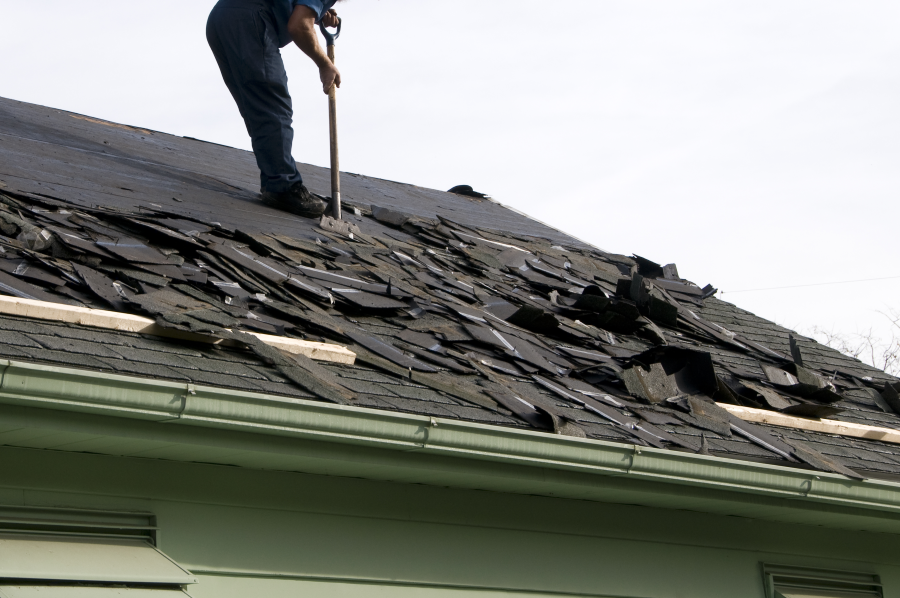
Roofing demolition refers to the process of removing all or part of an existing roofing system before repairs, upgrades, or complete replacement. This process may involve removing:
- Asphalt shingles
- Metal roofing panels
- Wood shakes
- Roofing felt
- Flashing materials
- Damaged decking
- Insulation components
Professional roofing demolition helps contractors inspect the roof deck, identify hidden structural damage, and prepare the surface for a new installation.
A properly executed roofing demolition project improves safety, enhances roof performance, and helps prevent future leaks or structural issues.
Why Roof Removal Is Necessary
Many homeowners wonder whether they should install a new roof over an old one. While overlay installations may be possible in some situations, complete roof removal is often the preferred solution.
Benefits of Complete Roof Removal
Better Structural Inspection
Removing old roofing materials allows contractors to inspect the decking and structural components underneath.
Longer Roof Lifespan
A new roofing system installed on a clean surface generally lasts longer and performs better.
Improved Energy Efficiency
During roof replacement, contractors can upgrade insulation and ventilation systems.
Reduced Risk of Future Repairs
Identifying hidden moisture damage or rotting wood during demolition helps avoid costly repairs later.
Compliance With Building Codes
Many local building regulations require complete roof removal before installing new roofing systems.
The Roofing Demolition Process
Understanding the demolition process helps property owners prepare for the project.
Step 1: Site Preparation
Before work begins, contractors secure the property by:
- Covering landscaping
- Protecting windows
- Setting up safety barriers
- Positioning a dumpster service nearby
Proper preparation minimizes damage and improves safety.
Step 2: Removal of Roofing Materials
Workers systematically remove roofing materials from top to bottom. Depending on the roofing system, this may include:
- Shingles
- Metal panels
- Tiles
- Roofing felt
- Flashing
The removed materials are immediately loaded into a designated dumpster.
Step 3: Deck Inspection
After roof removal, the roof deck is thoroughly inspected for:
- Water damage
- Rotting wood
- Mold growth
- Structural weakness
Damaged sections are repaired before new roofing materials are installed.
Step 4: Construction Debris Removal
Once demolition is complete, all waste materials are collected and removed using professional construction debris removal services.
Step 5: Site Cleanup
The final stage includes:
- Magnetic nail sweeps
- Debris collection
- Dumpster pickup
- Final property inspection
Common Types of Roofing Debris
Roofing demolition produces a surprising amount of waste.
Asphalt Shingles
Asphalt shingles are among the most common roofing materials and often account for the majority of demolition debris.
Roofing Felt
Old felt underlayment is typically removed and replaced during roof installation.
Nails and Fasteners
Thousands of nails and metal fasteners may be extracted during demolition.
Flashing Materials
Metal flashing around chimneys, vents, and roof valleys often requires replacement.
Damaged Wood
Roof decking and support structures may need removal if water damage is present.
Insulation Materials
Older insulation may need replacement to improve energy efficiency.
These materials can quickly overwhelm regular waste bins, making dumpster service a necessity.
Why Construction Debris Removal Matters
Efficient construction debris removal is about more than simply keeping a job site clean.
Improved Safety
Loose roofing materials create tripping hazards and increase the risk of workplace injuries.
Better Productivity
A clutter-free job site allows contractors to work faster and more efficiently.
Environmental Responsibility
Professional debris removal services ensure recyclable materials are separated whenever possible.
Regulatory Compliance
Many municipalities require proper disposal of construction waste according to local regulations.
Choosing the Right Dumpster Service for Roof Removal
Selecting the right dumpster service can significantly impact project success.
Consider Project Size
Smaller residential roofing projects may require a smaller dumpster, while large commercial jobs often need larger containers.
Evaluate Debris Volume
A single-layer roof replacement generates less waste than a complete tear-off involving decking replacement.
Verify Weight Limits
Roofing materials are heavy. Ensure your dumpster rental includes adequate weight allowances.
Check Rental Periods
Choose a dumpster service that offers flexible rental durations to accommodate project timelines.
Confirm Accepted Materials
Always verify which materials are accepted before scheduling a dumpster delivery.
Benefits of Professional Dumpster Service
Many contractors and homeowners underestimate the value of a dedicated dumpster.
Convenient Waste Collection
Workers can immediately dispose of materials without creating piles around the property.
Faster Project Completion
Having a dumpster on-site streamlines cleanup and reduces delays.
Enhanced Site Safety
Keeping debris contained minimizes hazards.
Cost-Effective Waste Management
Dumpster rentals often cost less than multiple landfill trips.
Simplified Disposal Process
Professional providers handle transportation and disposal requirements.
Residential Roofing Demolition Projects
Residential roof replacement projects commonly involve:
- Asphalt shingle removal
- Wood deck replacement
- Flashing upgrades
- Gutter replacement
- Construction debris removal
For homeowners, renting a dumpster service simplifies waste disposal and keeps neighborhoods cleaner throughout the project.
Commercial Roofing Demolition Projects
Commercial roofing systems often involve larger and more complex demolition operations.
Common commercial roof materials include:
- TPO roofing
- EPDM membranes
- Modified bitumen
- Metal roofing systems
Commercial roof removal generates substantial debris, making construction debris removal and dumpster service critical components of project planning.
Environmental Benefits of Proper Roof Removal
Sustainable construction practices are becoming increasingly important.
Recycling Asphalt Shingles
Many facilities recycle shingles into road construction materials.
Metal Recycling
Roofing metals can often be recycled and reused.
Reduced Landfill Waste
Professional construction debris removal companies help divert recyclable materials from landfills.
Cleaner Communities
Responsible waste management contributes to healthier neighborhoods and cleaner construction sites.
Safety Considerations During Roofing Demolition
Safety should always be the highest priority.
Fall Protection
Workers must use proper fall protection systems.
Protective Equipment
Essential equipment includes:
- Hard hats
- Safety glasses
- Gloves
- Steel-toe boots
- Harnesses
Debris Control
Dumpsters help contain materials and prevent debris from spreading across the property.
Weather Monitoring
Roof demolition should be carefully planned around weather conditions to avoid accidents.
How to Prepare for a Roof Removal Project
Property owners can take several steps before demolition begins.
Clear Driveways
Ensure adequate space for dumpster delivery and contractor vehicles.
Protect Valuables
Move outdoor furniture, decorations, and vehicles away from work areas.
Notify Occupants
Roof demolition can be noisy. Inform occupants of expected work schedules.
Schedule Dumpster Service Early
Booking your dumpster service in advance helps avoid project delays.
Signs Your Roof May Need Removal
You may need professional roof removal if you notice:
- Frequent leaks
- Missing shingles
- Sagging roof sections
- Water stains on ceilings
- Mold growth
- Storm damage
- Excessive roof age
Addressing these issues early can prevent more extensive structural damage.
Why Professional Roofing Demolition Is Worth It
Roofing demolition requires specialized tools, experience, and safety procedures. Attempting large-scale roof removal without professional assistance can lead to injuries, property damage, and costly mistakes.
Professional contractors combine expert demolition techniques with efficient construction debris removal and dependable dumpster service solutions to ensure projects stay on schedule and within budget.
Final Thoughts
A successful roofing project starts with proper roofing demolition and careful roof removal. Whether you’re replacing a residential roof or managing a large commercial renovation, efficient construction debris removal plays a major role in maintaining safety, productivity, and environmental responsibility.
By partnering with a reliable dumpster service, you can streamline cleanup, reduce disposal costs, and keep your project site organized from start to finish. Investing in professional demolition and waste management services ensures your roofing project is completed safely, efficiently, and with minimal disruption.
FAQ
How long does roofing demolition take?
Most residential roofing demolition projects can be completed within one to two days, depending on roof size and complexity.
What happens to old roofing materials?
Materials are collected during construction debris removal and transported for disposal or recycling when possible.
Do I need a dumpster for roof removal?
Yes. A dumpster service provides a safe and efficient way to manage roofing waste throughout the project.
Can roofing debris be recycled?
Many materials, including asphalt shingles and metal roofing components, can be recycled.
Why is professional construction debris removal important?
It improves safety, reduces environmental impact, and ensures compliance with local disposal regulations.

Leave A Comment